Mastering the Art of Crystalline Pottery
Understanding Crystalline Pottery
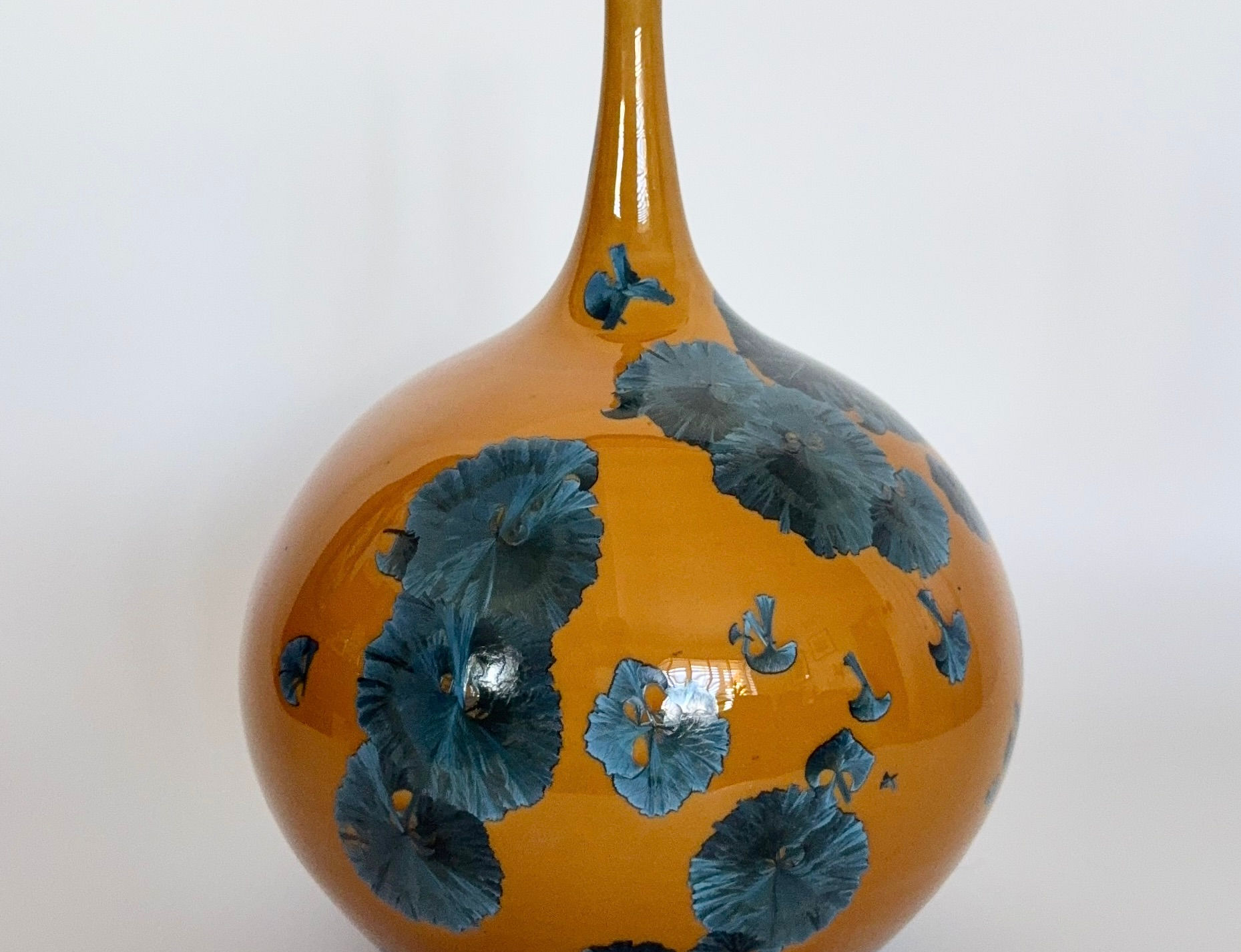
Crystalline pottery is a unique form of ceramic art. It features natural crystals that form during the firing process. These crystals create intricate patterns, making each piece special. The beauty of crystalline pottery lies in its unpredictability. Each firing can yield different results, which adds to the charm of the craft.
Creating these pieces requires a deep understanding of materials and techniques. The potter must carefully select the right clay body, glazes, and firing methods. This knowledge is essential for achieving the desired crystal formations.
Choosing the Right Clay Body
The foundation of successful crystalline pottery lies in the clay body. The clay must be very fine to support the growth of natural crystals on the glaze surface. Porcelain clay is the most common choice because of its fine texture and purity. However, porcelain presents challenges, especially when throwing larger pieces. It tends to sag and distort if not handled carefully during shaping and drying.
To overcome this, a practical solution is to use a very fine white stoneware clay body for the main form. Stoneware is more stable and easier to work with for larger pieces. Once the piece reaches the leather-hard stage, a thin coat of pure porcelain slip is sprayed over the entire surface. This porcelain slip layer creates an ideal surface for crystals to grow during firing.
Without the porcelain slip, the stoneware glaze tends to produce a dense mass of small crystals, resembling shark skin, rather than distinct, clear crystals. The slip acts as a refined canvas that encourages the formation of larger, more defined crystals.
Preparing the Pottery for Firing
Before glazing, the pottery undergoes a bisque firing to 1000 degrees Celsius. This firing hardens the clay body, making it easier to handle and glaze without damage. Bisque firing also removes moisture and organic materials that could interfere with the glaze.
An important step in the glazing process is managing glaze runoff during firing. To catch excess glaze, custom catch bowls are made from the same stoneware clay. These bowls fit exactly under the base of each pot and are glued onto the foot using a special adhesive.
The glue consists of 50% alumina and 50% china clay mixed with a small amount of water and wood glue. This mixture has a creamy consistency that prevents glaze from seeping into the gap between the pot and the catch bowl. This setup ensures a clean firing environment and prevents glaze defects caused by dripping.
Crafting the Base Glaze
The base glaze recipe is critical for crystal formation. It must balance the right fluxes, silica, and other components to encourage crystal growth without overwhelming the surface.
Here is the base glaze recipe used:
Ferro 3110 Frit: 45%
Zinc Oxide: 25%
Quartz (Silica): 19%
Bentonite: 30%
Titanium Dioxide: 8%
CMC (Carboxymethyl Cellulose): 1%
Coloring oxides can be added to this base glaze to achieve different background colours, but never exceed 5% of the total glaze weight. Keeping the coloring oxides low helps maintain a clear background that makes the crystals stand out sharply.
Firing Techniques for Crystal Growth
The firing schedule is one of the most critical factors in crystalline pottery. Crystals form during a controlled cooling phase when the glaze temperature passes through a specific range. The potter must carefully manage the kiln temperature to allow crystals to nucleate and grow without melting away.
Typically, the firing reaches a high temperature to mature the glaze, then cools slowly through the crystal growth zone. This slow cooling can take several hours and requires precise kiln control. Here is a typical firing schedule: fire quickly to 1270 degrees Celsius, then reduce quickly to 1100 degrees Celsius. Hold for about 4 to 5 hours at 1100. Cool naturally.
The potter’s experience and intuition play a large role here. Small changes in temperature, soak time, or cooling rate can dramatically affect the size, shape, and clarity of the crystals.
Achieving Distinct Crystals with Clear Backgrounds
The goal is to produce crystals that are distinct and well-defined against a smooth, clear background. This effect highlights the natural beauty of the crystals and enhances the overall aesthetic of the piece.
Using the porcelain slip over stoneware clay helps create this effect by providing a smooth, pure surface for the glaze. The base glaze recipe and firing schedule then work together to encourage crystal growth without excessive crystallization that can obscure the background.
The potter’s choice of coloring oxides also influences the final look. Subtle colours or light tints allow the crystals to remain the focal point, while heavy colouring can mask the crystal patterns.
Managing Challenges and Loss Rates
Crystalline pottery has a high loss rate due to the delicate balance required in materials and firing. Crystals can fail to form, glaze can run excessively, or pieces can warp during firing.
Patience and experimentation are essential. Keeping detailed notes on clay bodies, glaze batches, firing schedules, and kiln behaviour helps refine the process over time.
Using catch bowls to control glaze runoff reduces defects and waste. The porcelain slip technique minimises distortion and supports crystal growth.
Despite the challenges, the reward is a piece of pottery with natural, intricate crystal patterns that cannot be duplicated by other glazing methods.
Final Thoughts on Crystalline Pottery
Creating crystalline pottery requires a blend of technical skill, careful material selection, and precise firing control. The use of a fine white stoneware body with a porcelain slip surface, combined with a carefully balanced glaze and controlled firing, produces stunning crystal formations with clear backgrounds.
This method reduces some common problems like sagging and excessive crystal mass, helping potters achieve distinct, beautiful crystals. While the process involves trial and error and a high loss rate, the unique results make crystalline pottery a rewarding pursuit for ceramic artists.
For those interested in exploring this art, start with small pieces, keep detailed records, and experiment with glaze recipes and firing schedules. Over time, you can develop your own approach to mastering the fascinating world of crystalline pottery.
If you are looking for unique handcrafted decor, consider investing in crystalline pottery. The beauty and craftsmanship of these pieces are truly remarkable.


Comments