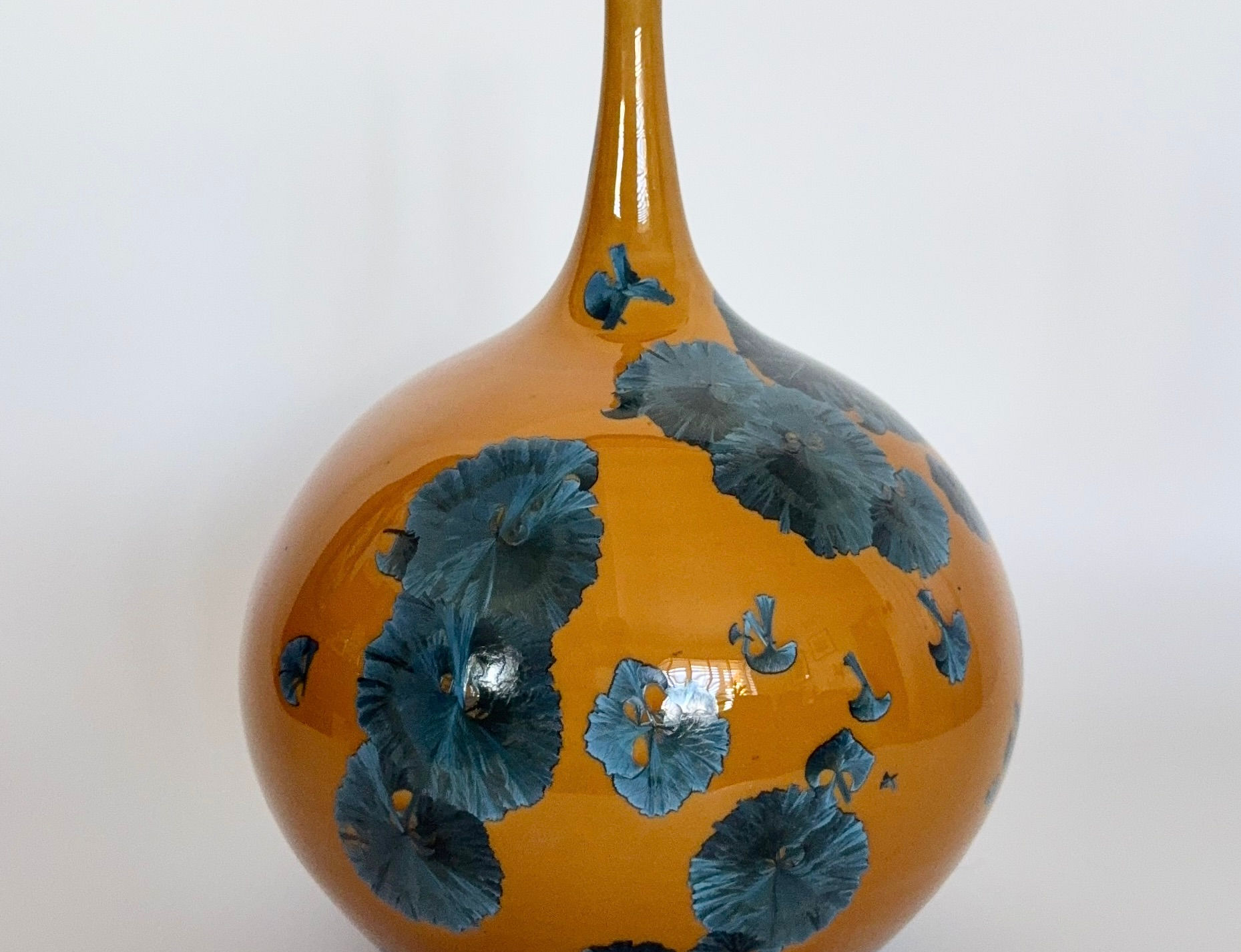
The Science Behind Ceramic Glazes with Crystal Effects
Ceramic glazes with crystal effects have fascinated potters and collectors for centuries. These glazes create unique, often unpredictable patterns that resemble natural crystals growing on the surface of pottery. The process behind these effects is a blend of art and science, involving precise control of materials, temperature, and timing. Understanding the science behind these glazes helps in appreciating the skill and patience required to produce such stunning pieces.
Understanding Ceramic Glazes with Crystal Effects
Ceramic glazes are glassy coatings fused to the surface of pottery during firing. When certain chemical compounds are added to the glaze, and the firing conditions are carefully controlled, crystals can form within the glaze. These crystals grow as the glaze cools, creating intricate patterns that vary in size, shape, and colour.
The formation of crystals depends on several factors:
Composition of the glaze: Specific oxides such as zinc oxide, titanium dioxide, and alumina encourage crystal growth.
Firing temperature: Crystals form within a narrow temperature range, often during the cooling phase.
Cooling rate: Slow cooling allows crystals to grow larger and more defined.
Time at temperature: Holding the kiln at a certain temperature (soaking) can promote crystal development.
The result is a surface that appears to have natural mineral formations, adding depth and texture to the ceramic piece.

The Chemistry Behind Crystal Formation
At the heart of crystal formation in ceramic glazes lies the chemistry of the glaze materials. Glazes are made from a mixture of silica, fluxes, and stabilisers. When fired, these materials melt and form a glassy layer. The addition of certain metal oxides creates conditions favourable for crystals to nucleate and grow.
For example, zinc oxide acts as a flux and also encourages the formation of zinc silicate crystals. Titanium dioxide can form rutile crystals, which contribute to the glaze’s texture and colour. Alumina helps stabilise the glaze and influences crystal size.
The process can be compared to growing salt crystals from a saturated solution. Just as salt crystals form when the solution cools and evaporates, ceramic crystals form as the molten glaze cools and solidifies. The difference is that ceramic crystals form within a solid glass matrix rather than a liquid solution.
Techniques for Creating Crystal Effects
Creating a ceramic glaze with crystals requires careful control of the firing schedule and glaze formulation. Here are some common techniques used by potters:
Glaze formulation: Adjusting the proportions of silica, alumina, and fluxes to create a glaze that supports crystal growth.
Adding crystal promoters: Incorporating oxides like zinc, titanium, or iron to encourage specific crystal types.
Firing schedule: Using a firing curve that includes a soak at a high temperature (typically between 1200°C and 1300°C) to allow crystals to nucleate.
Controlled cooling: Slowing the cooling rate to give crystals time to grow. This may involve holding the kiln at certain temperatures for several hours.
Multiple firings: Some potters use more than one firing to develop complex crystal patterns.
Each step requires precision and experience. Small variations in temperature or glaze composition can lead to very different results, making each piece unique.

Practical Tips for Potters Working with Crystal Glazes
For those interested in experimenting with crystal glazes, some practical advice can improve the chances of success:
Test small batches: Start with test tiles to observe how different glaze recipes and firing schedules affect crystal growth.
Keep detailed records: Document glaze recipes, firing temperatures, soak times, and cooling rates to replicate successful results.
Use a programmable kiln: Precise control over temperature and timing is essential for crystal formation.
Be patient: Crystal glazes often require slow cooling and long soak times, which can extend firing cycles.
Expect variability: Each firing can produce different crystal patterns, so embrace the unpredictability as part of the artistic process.
By understanding the science and applying careful technique, potters can create stunning pieces that showcase the beauty of natural crystal formations.
Appreciating the Artistry of Crystalline Pottery
The allure of crystalline pottery lies in its combination of scientific precision and artistic expression. Each piece tells a story of chemical reactions, heat, and time, resulting in a surface that is both visually captivating and tactilely interesting.
Collectors and enthusiasts value these pieces for their uniqueness. No two crystal glazes are exactly alike, making each item a one-of-a-kind work of art. The subtle variations in colour, shape, and size of the crystals add depth and character to the pottery.
For those seeking to acquire such pieces, it is worth exploring the work of artists dedicated to this craft. For example, Herries Pottery, led by Pat Geenty, specialises in creating stunning, one-of-a-kind crystalline pottery. Their work exemplifies the delicate balance of science and artistry required to produce these rare ceramic art pieces.
For more information on this fascinating technique, exploring resources on ceramic glaze with crystals can provide further insights and inspiration.
The Future of Crystal Glaze Ceramics
Advances in kiln technology and materials science continue to expand the possibilities for crystal glazes. New glaze formulations and firing techniques are being developed to produce even more intricate and vibrant crystal patterns.
Research into the crystallisation process at the microscopic level helps potters refine their methods. This scientific approach complements traditional craftsmanship, ensuring that the art of crystalline pottery remains vibrant and evolving.
As interest in unique, handcrafted decor grows, the demand for ceramic glazes with crystal effects is likely to increase. This trend encourages innovation while preserving the timeless appeal of crystalline ceramics.
In summary, the science behind ceramic glazes with crystal effects reveals a fascinating interplay of chemistry, physics, and artistry. Understanding this process enhances appreciation for the skill involved and the beauty created.


Comments