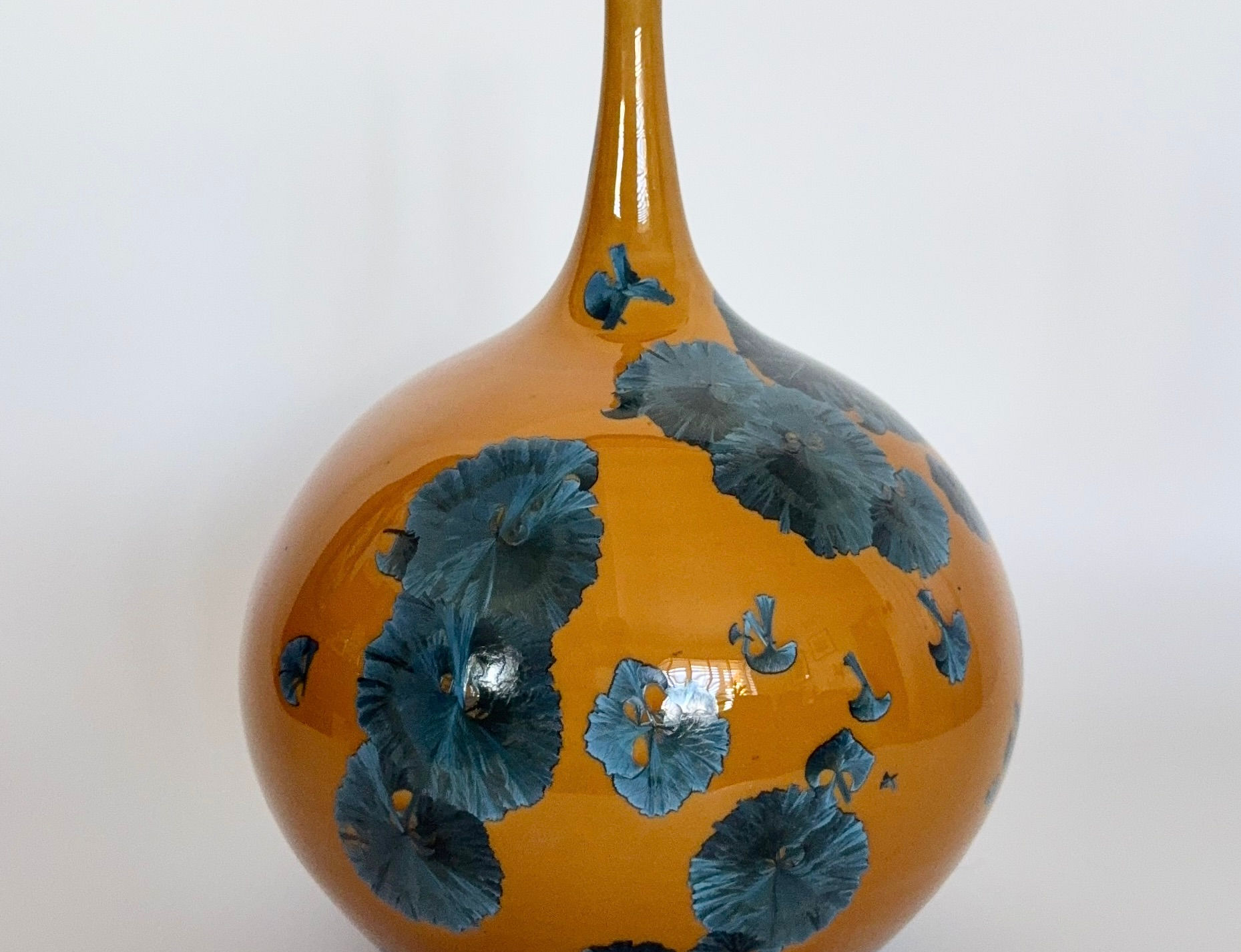
The Secrets of Ceramics with Crystalline Glazes
Ceramics with crystalline glazes have long fascinated collectors and artists alike. Their unique, shimmering patterns and delicate crystal formations set them apart from more common pottery styles. The process to create these ceramics is both an art and a science, requiring patience, precision, and a deep understanding of materials and firing techniques. In this post, I will share insights into the secrets behind these stunning pieces, offering practical knowledge for those interested in the craft or simply appreciating its beauty.
Understanding Ceramics with Crystalline Glazes
Crystalline glazes are a special type of ceramic glaze that forms visible crystals during the firing process. Unlike standard glazes, which create a smooth or textured surface, crystalline glazes develop distinct, often flower-like crystals embedded in the glaze. These crystals grow as the kiln cools, making the firing schedule critical to the final appearance.
The formation of crystals depends on several factors:
Glaze composition: Specific ingredients such as zinc oxide and silica encourage crystal growth.
Firing temperature: Typically, high temperatures around 1300°C (2372°F) are required.
Cooling rate: Controlled slow cooling allows crystals to form and grow.
The result is a surface that appears almost alive, with patterns that can resemble snowflakes, stars, or abstract floral designs. Each piece is unique, as the crystals grow differently depending on subtle variations in the firing process.

The Craftsmanship Behind Crystalline Glaze Ceramics
Creating ceramics with crystalline glazes demands a high level of skill and attention to detail. The process begins with selecting the right clay body, which must withstand the high firing temperatures without warping or cracking. Porcelain or stoneware clays are often preferred for their strength and smooth finish.
Once the clay piece is shaped and bisque fired, the glaze is applied carefully. The glaze recipe is crucial; it must contain the right balance of fluxes and crystal-forming agents. After glazing, the piece undergoes a second firing, known as the glaze firing, where the magic happens.
The firing schedule is meticulously planned:
Ramp up to the peak temperature slowly to avoid thermal shock.
Hold at the peak temperature to allow the glaze to melt fully.
Controlled cooling with specific temperature holds to encourage crystal growth.
This cooling phase can last several hours, during which the kiln temperature is lowered in stages. The potter must monitor the kiln closely, as slight deviations can affect the size and shape of the crystals.
The unpredictability of crystal formation means that even experienced potters cannot guarantee identical results. This element of chance adds to the allure and value of each piece.
Materials and Techniques for Achieving Crystalline Effects
The secret to successful crystalline glaze ceramics lies in the materials and firing techniques used. Some common components in crystalline glazes include:
Zinc oxide: Acts as a flux and promotes crystal growth.
Silica: Provides the glassy matrix for crystals to form.
Alumina: Adds stability to the glaze.
Titanium dioxide: Sometimes used to influence crystal colour and shape.
The glaze is mixed with water to a specific consistency and applied by dipping, pouring, or spraying. The thickness of the glaze layer can influence crystal size; thicker layers often produce larger crystals.
Firing schedules vary but generally follow a pattern of slow heating, a soak at peak temperature, and slow cooling with holds at temperatures between 1000°C and 1200°C (1832°F - 2192°F). These holds allow crystals to nucleate and grow.
Some potters experiment with adding seeds or nucleating agents to the glaze to encourage crystal formation. Others adjust the kiln atmosphere, using oxidation or reduction firing to affect the glaze’s final appearance.

The Appeal and Value of Crystalline Glaze Ceramics
The appeal of crystalline glaze ceramics lies in their rarity and the natural beauty of the crystal formations. Each piece is a one-of-a-kind work of art, with patterns that cannot be exactly replicated. This uniqueness makes them highly sought after by collectors and enthusiasts.
The visual effect of the crystals can evoke natural phenomena such as frost on a window or mineral formations in rocks. This connection to nature adds depth and meaning to the pieces.
From a practical perspective, crystalline glazes are often glossy and smooth, making the ceramics suitable for decorative use or functional ware like plates and bowls. However, the firing process and glaze composition can make the surface more delicate than standard ceramics, so care is advised.
Collectors value these ceramics not only for their aesthetic qualities but also for the technical mastery they represent. The time, skill, and knowledge required to produce crystalline glaze ceramics contribute to their prestige and price.
For those interested in acquiring such pieces, it is advisable to seek out artists who specialise in this technique. Their work often reflects a deep commitment to the craft and an understanding of the subtle variables that influence the final product.
Exploring the Future of Crystalline Glaze Ceramics
The tradition of crystalline glaze ceramics continues to evolve as potters experiment with new materials and firing methods. Advances in kiln technology and digital temperature control have made it easier to achieve precise firing schedules, increasing the consistency of results.
Artists are also exploring new colourants and combinations of glaze ingredients to expand the palette of crystalline effects. Some are incorporating crystalline glazes into mixed-media works or combining them with other surface treatments.
Sustainability is becoming a consideration as well. Potters are investigating ways to reduce energy consumption during firing and to use more environmentally friendly materials without compromising the quality of the glaze.
For collectors and enthusiasts, this ongoing innovation means that crystalline glaze ceramics will remain a dynamic and exciting field. The blend of tradition and experimentation ensures that new and unexpected forms of beauty will continue to emerge.
The art of creating crystalline glaze ceramics is a delicate balance of science and creativity. It requires patience, precision, and a willingness to embrace the unpredictable nature of crystal growth. For those who appreciate unique, handcrafted decor, these ceramics offer a glimpse into a world where natural processes and human skill combine to produce truly remarkable works of art.


Comments